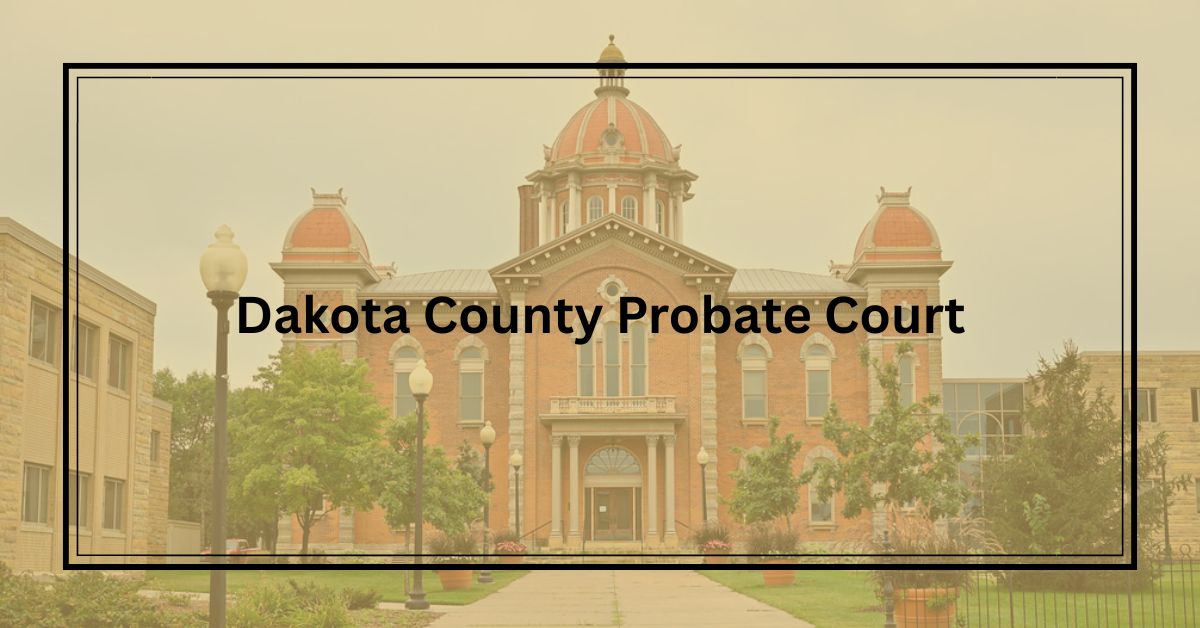
The Dakota County Probate Court is part of the Dakota County District Court, which operates within Minnesota’s First Judicial District. This division focuses on managing legal matters involving wills, estates, conservatorships, and guardianships. It ensures that property, finances, and personal affairs are handled according to Minnesota law and the wishes of those involved.
Residents rely on the Probate Court for fair and organized resolution of estate administration, inheritance issues, and the appointment of guardians or conservators for minors or vulnerable adults. The court’s mission is to protect individuals’ rights and maintain transparency in all probate-related proceedings.
What Is Probate Court?
The Probate Court in Dakota County plays a crucial role in managing legal matters related to estates, wills, and guardianships. It ensures that when someone passes away, their property and assets are distributed according to their will or state law. The court also oversees the appointment of executors who are responsible for managing the deceased’s financial affairs, paying debts, and distributing assets to heirs. This process provides legal protection for all parties involved and ensures that the final wishes of the deceased are properly carried out.
Beyond handling estates, the probate court in Dakota County also manages guardianships, conservatorships, and mental health commitments. Guardianships are established for minors or adults unable to manage their own affairs, while conservatorships deal with financial decisions on behalf of someone who cannot make them independently. For example, if a Dakota County resident passes away, their estate is settled through the probate process here, where the court verifies the will’s authenticity and ensures assets are lawfully distributed.
Probate Process in Dakota County
The probate process in Dakota County is a step-by-step legal procedure used to manage a deceased person’s estate, ensuring that all assets are distributed properly and any debts are settled. This process follows Minnesota’s probate laws and involves filing legal documents, court review, and eventual asset distribution. Whether a person leaves a will or not, the probate court ensures that the estate is handled according to the law. Understanding each stage helps families navigate responsibilities with confidence and clarity.
Step 1 – Filing the Case
The first step in opening a probate case is filing the necessary paperwork with the Dakota County Clerk of Court. The petitioner must submit a death certificate, the original will (if available), and probate forms approved by the Minnesota Judicial Branch. These forms initiate the legal process and allow the court to review the estate’s details. Depending on the complexity of the estate, the court may handle the case through formal or informal probate procedures. Filing fees are required, and accuracy in documentation is essential to avoid delays in processing.
Step 2 – Appointment of Personal Representative
Once the court verifies the initial documents, it appoints a personal representative (also called an executor or administrator). This individual is responsible for managing the estate during probate. Their duties include safeguarding property, notifying heirs, paying outstanding debts, and following the court’s directions. If the deceased left a will, the named executor is typically approved unless a dispute arises. In cases without a will, the court appoints someone based on Minnesota’s intestate succession laws, prioritizing close relatives.
Step 3 – Inventory & Notification
After appointment, the personal representative must prepare a complete inventory of the estate’s assets. This includes real estate, vehicles, personal belongings, financial accounts, and investments. The representative must also notify heirs, beneficiaries, and known creditors to ensure full transparency. Creditors are given a specific time frame to file any claims against the estate. This stage ensures all debts and obligations are properly addressed before the distribution of assets begins, protecting both the estate and its rightful inheritors.
Step 4 – Distribution of Estate
The final phase involves the distribution of estate assets. After paying all legitimate debts, taxes, and administrative expenses, the personal representative allocates the remaining property according to the will or, if no will exists, under Minnesota’s inheritance laws. This step closes the estate once all filings and court requirements are completed. The court may require a final accounting to verify that all transactions were handled properly. When approved, the estate is officially settled, and the probate case is closed.
How to File a Probate Case in Dakota County
Filing a probate case in Dakota County is the legal process used to manage and distribute a deceased person’s assets. It ensures that wills are validated, debts are paid, and property is transferred to rightful heirs. The process begins by preparing required documents, paying applicable fees, and submitting forms to the Dakota County District Court Probate Division. Below is a detailed breakdown of each step involved in filing.
Filing Requirements
To start the probate process, several essential documents must be submitted. These typically include a death certificate, the original will (if one exists), and a petition for probate. Supporting identification and proof of relationship to the deceased may also be required. The petitioner must ensure all information is accurate and consistent across documents to prevent case delays. Missing or incomplete paperwork may lead to rejection by the court clerk.
Filing Options (In-Person and Online)
Residents can file their probate case in person or online. For in-person submissions, visit the Dakota County Courthouse in Hastings, where the Probate Division accepts filings during business hours, typically 8:00 a.m. to 4:30 p.m., Monday through Friday. For online convenience, the Minnesota Judicial Branch’s eFile and eServe system allows users to submit probate documents electronically, track case progress, and pay filing fees without visiting the courthouse.
Filing Fees
The court requires probate filing fees, which vary depending on the case type and complexity. These fees cover administrative processing, document handling, and official record maintenance. Additional costs may apply for certified copies, document retrieval, or formal hearings. It’s advisable to check the Dakota County Court’s official website or contact the Clerk’s Office for updated fee schedules before submitting your application.
Courthouse Location and Filing Hours
The Dakota County Probate Court is located at 1560 Highway 55, Hastings, MN 55033. Business hours are generally 8:00 a.m. to 4:30 p.m., Monday through Friday. Visitors should plan for brief security checks before accessing the Clerk’s Office. The courthouse provides assistance for document submission, fee payment, and general inquiries related to estate or guardianship cases.
Probate Forms Access
Before filing, petitioners should download the latest probate forms from the Minnesota Judicial Branch Probate Forms page. These include applications for informal probate, appointment of a personal representative, and estate closing documentation. Ensuring all forms are properly completed helps streamline the process and reduces the chance of delays.
Probate Case Search & Court Dockets
Locating probate case records in Dakota County is straightforward with the Minnesota Public Access (MPA) Remote system. This online tool allows users to view details of estate, guardianship, and trust cases without visiting the courthouse. It helps families, attorneys, and interested parties stay informed about case progress and filing updates using just a few details.
Search Online
To begin a Dakota County probate case lookup, visit the official MPA Remote website. You can search using either the case number or the full name of a party involved. Follow these steps for accurate results:
- Open the MPA Remote search page.
- Enter the case number if available; this gives the most precise match.
- If the number is unknown, type the party’s name exactly as it appears in court documents.
- Select Dakota County from the dropdown list to narrow results.
- Review the case summary, which displays the file date, case type, and case status.
For easy access, you can use the “Search Probate Cases” button or widget below. This option takes you directly to the public case search feature for quick lookups. Using this online method saves time and provides reliable access to case records anytime.
View Probate Dockets
A probate docket gives a detailed view of each case’s activity. It lists the filing history, court dates, and the current status of proceedings. Reviewing a docket helps track updates such as hearing schedules, new filings, and judge assignments. For those who want to stay informed, this is an excellent way to follow case developments without needing to contact the court directly.
Probate Court Forms and Fees
Handling probate matters in Dakota County often begins with completing the right court forms. The Minnesota Judicial Branch provides official forms for probate, guardianship, and estate filings, which can be downloaded directly from their website. These forms cover a range of actions, including estate administration, small estate claims, and petitions for guardianship or conservatorship. Using the correct version ensures your paperwork is accepted by the court without delays. You can access these documents through the Minnesota Judicial Branch Probate Forms Library, which includes both fillable PDFs and instructions.
When filing, it helps to understand the common probate filing fees in MN. Standard costs include the initial filing fee, which applies when opening a probate case; certified copy fees, often needed for legal transactions or financial institutions; and estate inventory fees, charged for reporting estate assets. Exact amounts can vary slightly by case type, so checking the Dakota County District Court’s fee schedule before filing is recommended.
Common Probate Terms Explained
Understanding a few basic probate terms can make it easier to follow court documents and proceedings. Here’s a quick glossary of commonly used words in Dakota County probate forms and filings:
- Executor – The person named in a will to manage the estate, handle debts, and distribute property according to the deceased’s wishes.
- Estate – All assets, property, and possessions left behind by someone who has passed away. This includes bank accounts, real estate, and personal belongings.
- Beneficiary – An individual or organization entitled to receive assets or property from a will, trust, or insurance policy.
- Intestate – A situation where a person dies without leaving a valid will. In such cases, state law determines how the estate is divided among heirs.
- Letters Testamentary – Official documents issued by the court giving the executor legal authority to manage and settle the estate. These letters allow access to bank accounts and the ability to transfer assets.
- Will Contest – A legal challenge made by an interested party claiming that the will is invalid, often based on allegations of fraud, lack of capacity, or undue influence.
Knowing these terms helps anyone involved in a probate case better understand the steps, filings, and rights associated with estate administration.
Frequently Asked Questions
If you have questions about Dakota County court dockets, you’re not alone. Below, we’ve compiled the most commonly asked questions to help you understand how to check dockets, access hearing information, and track case progress. Each FAQ provides clear, concise answers to guide you through the process. Read on to find the information you need about court schedules, calendars, and records.
How do I file probate in Dakota County?
To file probate, start by completing the required probate forms from the Minnesota Judicial Branch website. Submit them to the Dakota County District Court – Probate Division in Hastings. Include the will, death certificate, and the filing fee. The court will assign a case number and notify you of next steps.
What happens if someone dies without a will?
When a person dies intestate, Minnesota law decides how the estate is distributed. The court appoints a personal representative—usually a close relative—to handle the estate. Assets are divided according to state inheritance rules, ensuring family members receive their legal share.
How long does probate take in Minnesota?
Most probate cases take six months to one year. Simple estates with few assets may finish sooner, while cases with disputes or large estates can take longer. The court’s schedule and document processing time can also affect duration.
How can I check the status of a probate case?
You can check case updates online through the MPA Remote system by entering the case number or party name. Filtering by Dakota County provides the most accurate results. The case docket lists current filings, hearing dates, and the case status.
Are probate court hearings open to the public?
Yes, most probate hearings are public unless the judge decides to seal the records for privacy reasons. Interested parties may attend scheduled hearings or request case documents through the court clerk’s office.
What are Dakota County probate fees?
Fees include filing costs, certified copy charges, and estate inventory fees. Payment is required at the time of filing unless a fee waiver (IFP) is approved. The official court website provides the latest fee schedule.